

Are Oysters Halal? Oysters are generally considered halal according to the Maliki, Shafi and Hanbali schools of Islamic law. However, the standard Hanafi ruling does not permit oysters because they are shellfish rather than fish. For Shia Muslims, the ruling depends on the religious authority they follow; according to Ayatollah Sistani’s guidance, permissible seafood is limited to scaled fish and shrimp.
For Muslims in the United States, the answer also depends on what is added during cooking. Sauces, wine, bacon, and other ingredients may affect the ruling of a prepared oyster dish. Oyster sauce requires separate consideration, particularly for Hanafi Muslims.
Related Guide: Is Shrimp Halal?
What Is the Ruling on Oysters in Each Madhhab?
The difference comes from how Islamic scholars classify seafood and which types of aquatic animals they consider permissible to eat.
| School of Islamic law | General ruling on oysters | Main reason |
|---|---|---|
| Hanafi | Not permissible under the standard ruling | Oysters are not classified as fish. |
| Shafi‘i | Generally permissible | The school broadly permits aquatic animals, subject to specific exceptions. |
| Maliki | Generally permissible | The school broadly permits sea creatures, subject to exceptions. |
| Hanbali | Generally permissible | The school generally permits aquatic animals, subject to specific exceptions. |
These summaries reflect commonly cited positions, not a claim that every scholar agrees on every detail.
Why Do Hanafi Scholars Generally Not Permit Oysters?
In the standard Hanafi approach to seafood, fish are treated differently from other aquatic animals. Since oysters are mollusks rather than fish, the standard ruling does not permit them.
This distinction matters when evaluating an actual dish. Under the standard Hanafi position, grilling, frying, steaming, or adding seasoning does not change the underlying ruling on the oyster itself.
Some readers may encounter different opinions online. Rather than treating the Hanafi position as simply “disputed,” it is more accurate to identify the standard ruling and consult a qualified Hanafi scholar if a specific alternative opinion is being considered.
What About the Shia or Ja‘fari Ruling on Oysters?
Shia Muslims should consult the rulings of the religious authority they follow rather than assume that every Islamic school has the same seafood rules.
For example, Ayatollah Sistani’s guidance states that permissible marine animals include scaled fish and shrimp, while other marine animals such as lobster are not permissible. Under that guidance, oysters do not fall within the permitted categories.
This is a specific example of Jafari guidance, not a substitute for checking the ruling of another marja. The relevant authority should be identified when discussing this position.
For More: Is Lobster Halal?
Are Raw, Grilled, and Fried Oysters Halal?
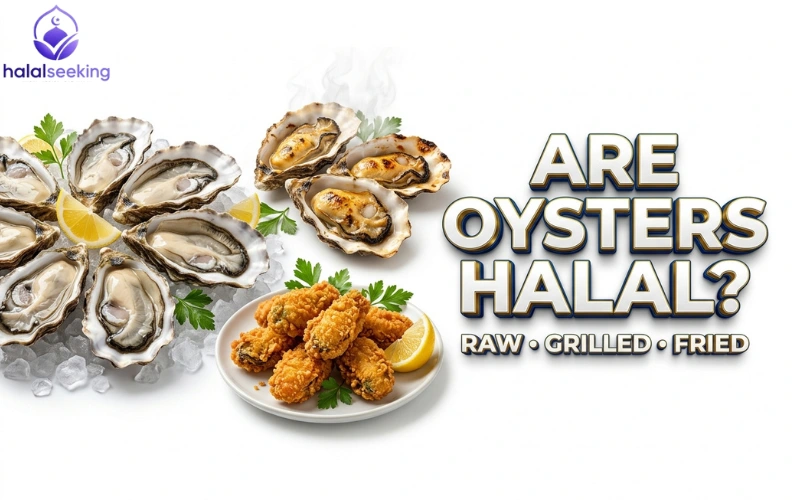
The cooking method alone does not settle the question. First consider whether oysters are permissible under the school you follow. Then check the ingredients and preparation method.
| Oyster dish | What to consider |
|---|---|
| Raw oysters with lemon | The ruling on oysters under your school remains the starting point. Check any accompanying sauce. |
| Grilled oysters | Garlic, butter, herbs, cheese, or other toppings may need ingredient checks. |
| Fried oysters | Check the batter, seasoning, cooking fat, and any shared-fryer concerns. |
| Oyster po’boy | In addition to the oysters, check the bread, sauces, and other fillings. |
| Oyster soup or stew | Check the broth, stock, cooking wine, and other seafood or meat ingredients. |
| Oysters cooked with wine or pork | These added ingredients raise separate halal concerns, even where oysters themselves are permitted. |
For Shafi‘i, Maliki, and Hanbali readers who follow the general permissive rulings, oysters can be permissible when the rest of the dish meets their dietary requirements. For readers following the standard Hanafi ruling, changing the recipe does not make oysters permissible.
Is Oyster Sauce Halal?
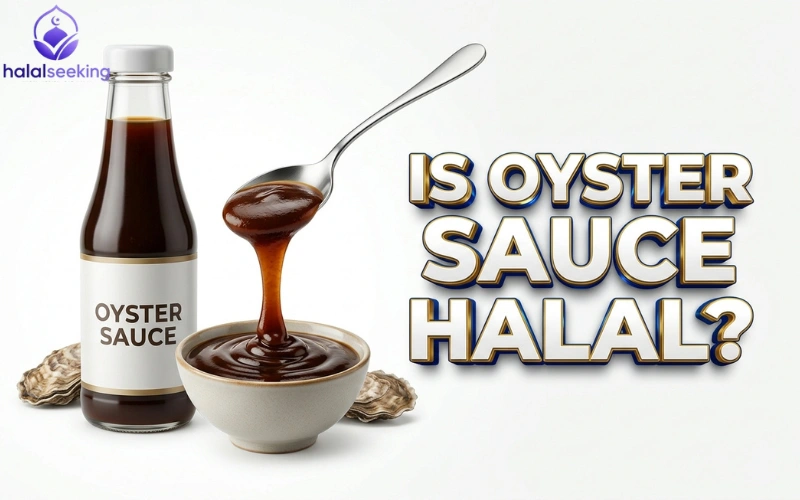
Oyster sauce needs its own assessment because it is a processed condiment made with oyster ingredients. Its ruling is not determined by the word “sauce” or by its color, and a product should not be assumed halal merely because it is widely used in Asian cooking.
Visit Also: Is Crab Halal in Islam?
What Is in Oyster Sauce?
A typical commercial oyster sauce may contain:
- Water and sugar
- Oyster extractives made from oyster, water, and salt
- Salt
- Modified corn starch
- Monosodium glutamate (MSG)
- Wheat flour
- Caramel color
Ingredients vary by brand and product, so check the actual package rather than assuming every oyster sauce uses the same formulation. The ingredient list alone does not establish halal certification.
Is Oyster Sauce Halal for Hanafi Muslims?
Under the standard Hanafi ruling described above, oyster sauce containing oyster extract is not permissible because its oyster ingredient comes from an aquatic animal that the school does not permit.
A person following a school that generally permits oysters may reach a different conclusion about the oyster ingredient. They should still check the sauce’s full ingredients and any relevant certification, especially where the formulation includes additional flavorings or other ingredients of concern.
Practical takeaway: Do not assume oyster sauce is halal simply because its label does not mention pork or because a restaurant uses it in seafood dishes. Check the product label, its certification if available, and the ruling relevant to your school.
What Should Muslims in the U.S. Check Before Ordering Oysters?
Restaurants may prepare oysters with different sauces, toppings, broths, and cooking equipment. Asking a few specific questions is more useful than relying on a menu description such as “seafood,” “fresh,” or “vegetarian-friendly.”
Before ordering, ask the restaurant:
- How are the oysters prepared? Check whether the dish includes wine, bacon, or another ingredient you avoid.
- What is in the sauce or marinade? Ask whether it contains oyster sauce, cooking wine, meat stock, or other relevant ingredients.
- Is the fryer shared? If you are ordering fried oysters, ask whether the same oil is used for pork or other foods that raise concerns for you.
- Can staff confirm the ingredients? If they cannot verify a sauce or preparation method, avoid assuming that the dish meets your requirements.
Restaurant practices vary, so a menu label alone may not answer every question. The significance of shared equipment and possible cross-contact can also depend on the circumstances and the guidance you follow.
Finally, remember the underlying school-specific ruling: a dish prepared without questionable additives may still not be permissible for someone who follows the standard Hanafi position on oysters.
See Also: Is Squid Halal?
FAQs
Are oysters halal in Sunni Islam?
The general rulings of the Shafi‘i, Maliki, and Hanbali schools permit oysters, while the standard Hanafi ruling does not. The school-specific distinction is important.
Why do Hanafi scholars not permit oysters?
The standard Hanafi approach permits fish rather than every aquatic animal. Oysters are classified as shellfish, not fish.
Are raw oysters halal?
Raw preparation does not change the underlying ruling on oysters. Any accompanying sauce or added ingredient should also be checked.
Is oyster sauce halal?
The answer depends partly on the school you follow and the product’s ingredients. Under the standard Hanafi ruling, oyster sauce containing oyster extract is not permissible. Other readers should check the full label and applicable guidance.
Are oyster mushrooms the same as oysters?
No. Oyster mushrooms are fungi, not shellfish. Their halal status is assessed as a separate food question.
Can Muslims order oysters at an American restaurant?
That depends on the ruling you follow and how the dish is prepared. Confirm the ingredients, sauces, and relevant cooking practices before ordering.
Conclusion
Oysters are generally permitted under the Maliki, Shafi‘i, and Hanbali schools, but the standard Hanafi ruling does not permit them because they are not classified as fish. Shia Muslims should check the ruling of their own religious authority; Ayatollah Sistani’s guidance does not permit oysters.
For U.S. readers, the same distinction applies to raw oysters, fried oyster dishes, and oyster sauce. Check the ruling relevant to your school first, then confirm the ingredients and preparation method rather than assuming that every seafood dish is halal.